
How to Choose the Right Promotional Products Supplier for Your Australian Organisation
Discover how to find and evaluate a reliable promotional products supplier in Australia. Tips on quality, pricing, turnaround times and more.

Written by
Jack Romero
Seasonal & Holiday
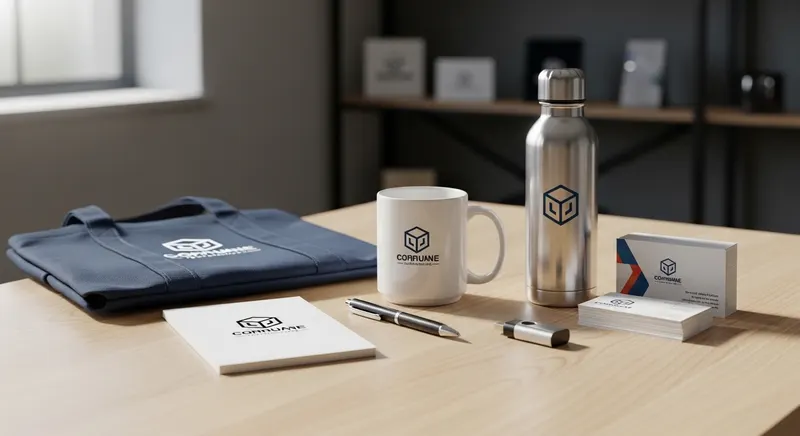
Choosing the right promotional products supplier can feel overwhelming — especially when you’re juggling tight deadlines, a specific budget, and the need to represent your brand with something that actually looks great. Whether you’re a marketing manager in Sydney planning a product launch, a school coordinator in Brisbane sourcing custom gear for sports day, or an event planner on the Gold Coast pulling together conference collateral, the supplier you work with will make or break your campaign. This guide walks you through everything you need to know to find a promotional products supplier that delivers on quality, reliability, and value — without the headaches.
Why Your Choice of Promotional Products Supplier Matters
It’s tempting to base your decision purely on price. But in the promotional products space, the cheapest option rarely ends up being the most cost-effective. A poor-quality supplier can mean delayed deliveries, faded prints, incorrect colours, or products that simply don’t reflect your brand the way you intended.
Think about it this way: if a Perth healthcare organisation orders 500 branded reusable water bottles for a community health expo, only to receive them with a blurry logo and the wrong Pantone colour three days after the event — that’s not just a wasted budget. It’s a missed opportunity to build brand recognition and community trust.
A reliable promotional products supplier does much more than print your logo on a product. They guide you through product selection, artwork preparation, decoration method choices, and logistics. The right partner saves you time, protects your brand image, and helps you get measurable results from your merchandise investment.
Key Factors to Evaluate When Selecting a Supplier
Product Range and Quality
The breadth of a supplier’s product catalogue matters. A supplier with a deep, well-curated range can help you find the right product for your specific audience — not just whatever happens to be in stock. Look for suppliers who offer products across multiple categories, from custom branded bags and apparel to tech accessories and stationery.
Quality should never be an afterthought. Ask whether you can order a pre-production sample before committing to a full run. Reputable suppliers will always offer this option, even if there’s a small cost involved. Feeling the weight of a hoodie fabric or checking the clarity of a laser-engraved logo on a notebook in person is far more valuable than relying on a product image alone.
Decoration Methods and In-House Capabilities
Not all suppliers decorate all products the same way. Common decoration methods you’ll encounter include:
- Screen printing — ideal for bold, flat-colour designs on apparel and bags
- Embroidery — best for workwear, polos, caps, and high-end corporate garments
- Pad printing — suits pens, drinkware, and small promotional items
- Laser engraving — creates a premium finish on metal, timber, and leather
- Sublimation — enables full-colour all-over prints, popular for sportswear and custom mugs
- Digital printing — versatile for short runs and complex, photographic artwork
Understanding which methods a supplier handles in-house versus outsources is important. In-house capabilities typically mean faster turnaround times, better quality control, and more competitive pricing. If screen printing is your primary decoration method, it’s worth understanding screen printing setup costs for small business merchandise before requesting quotes — this helps you have more informed conversations with potential suppliers.
Minimum Order Quantities (MOQs)
MOQs vary significantly between product types and suppliers. A branded pen might have an MOQ of 50 units, while a custom embroidered jacket could start at just 5 pieces. If you’re a small charity in Adelaide ordering branded merchandise for the first time, a supplier with flexible minimums is crucial.
Always clarify MOQs upfront. Some suppliers offer lower minimums on premium products — like tech jackets or satchel bags — which can be ideal for boutique corporate gifting programmes or executive welcome packs where you need quality without massive quantity.
Turnaround Times and Rush Options
In the real world, not every merchandise order is planned six weeks in advance. Sometimes a conference gets confirmed at the last minute, or a new staff member starts on Monday and needs branded workwear by Friday. Ask potential suppliers about their standard production lead times and whether they offer rush or express options.
For urgent needs, it’s worth knowing that some suppliers offer same-day promotional product printing for select items in certain regions — a lifesaver when timing is critical. Standard turnaround for most custom-decorated products in Australia sits between 7 and 15 business days from artwork approval, though this varies by product complexity and order volume.
Artwork Support and Proof Approval
A quality supplier will work with your artwork files and provide a visual proof before production begins. At minimum, they should accept vector files (AI, EPS, PDF) and be able to advise on colour separations, resolution requirements, and safe zones for decoration areas.
PMS (Pantone Matching System) colour accuracy is particularly important for brand-sensitive organisations. If your brand guidelines specify exact Pantone colours, confirm whether the supplier can match them for your chosen decoration method — some techniques, like sublimation, don’t support PMS matching.
What to Look for in a Supplier’s Track Record
Industry Experience and Specialisation
A supplier who regularly works with organisations similar to yours will understand your specific challenges — be it tight turnarounds for events, strict OH&S requirements for hi-vis workwear, or the need for child-safe products for primary schools. Ask how long they’ve been in business and whether they have case studies or references from comparable clients.
Suppliers who serve the local business community — like those offering branded merchandise for Sunshine Coast businesses — often have strong knowledge of regional delivery logistics and can be particularly responsive to local clients.
Sustainability Credentials
More Australian organisations are prioritising eco-friendly merchandise in 2026. Whether you’re a university sourcing conference bags made from recycled materials or a corporate team building a sustainability-focused gift campaign, look for a supplier who stocks genuinely sustainable promotional items and can back their claims with certifications or material sourcing transparency.
Products like recycled plastic sunglasses for beach cleanup events show that eco-friendly doesn’t have to mean boring. Ask suppliers whether their sustainable range includes options across multiple categories — bags, apparel, drinkware, and stationery — so you can build a cohesive, planet-conscious campaign without compromising on brand presentation.
Communication and Account Management
This one is often underestimated. A supplier who responds promptly, communicates proactively about order status, and flags potential issues before they become problems is worth their weight in gold. During your initial enquiry process, pay attention to how quickly and thoroughly they respond. This gives you a reliable indicator of what working with them long-term will feel like.
For large or complex orders — think a Melbourne council sourcing 2,000 branded tote bags for a local sustainability campaign — having a dedicated account manager who understands your brief and manages the project from quote to delivery is invaluable.
Budgeting Smartly With Your Promotional Products Supplier
Promotional merchandise budgets vary enormously. A small not-for-profit might have $500 to spend on branded items for a community fundraiser, while a national corporate might allocate $50,000 across a multi-event calendar. Here are a few budgeting principles that apply regardless of scale:
Factor in all costs upfront. This means the unit price, setup/screen fees, artwork costs, freight, and GST. Some suppliers quote exclusive of these costs, which can lead to bill shock at checkout.
Consolidate your orders. Ordering more units in a single run almost always brings your per-unit cost down significantly. If you know you’ll need custom trucker caps across multiple events during the year, ordering in one batch is far more cost-effective than placing multiple smaller orders.
Invest in products your audience will actually use. A $5 pen that gets thrown in a drawer does far less for your brand than a $12 reusable stubby holder that someone uses every weekend at the footy. Think about product utility and lifestyle fit for your target audience when allocating budget.
Consider product mix. Combining hero items (higher-value branded products) with smaller, high-volume items — like small pencil cases or sew-on patches for youth programs — allows you to create impressive branded packs without blowing the budget.
Red Flags to Watch Out For
Not every promotional products supplier is created equal. Here are some warning signs to take seriously:
- No sample option available — this suggests limited quality control or low confidence in their own products
- Vague or inconsistent pricing — a reputable supplier can provide clear, itemised quotes
- No artwork proof process — skipping this step is a recipe for production errors
- Unrealistically fast turnaround promises — if it sounds too good to be true, it probably is
- Poor communication during the quote stage — this rarely improves once you’ve placed an order
- Limited product range — a supplier who only offers a handful of products may not be able to grow with your needs
Building a Long-Term Supplier Relationship
The best outcomes in promotional merchandise come from long-term supplier relationships. When a supplier understands your brand guidelines, knows your preferred decoration methods, and has your artwork on file, the ordering process becomes far smoother and faster over time.
Take the time to provide thorough, well-organised briefs. Share your brand guidelines, Pantone codes, and any budget constraints at the outset. The more your supplier understands about your organisation, the better equipped they are to proactively recommend products that suit your audience — whether that’s purple beanies for a winter sports club in Hobart or stylish lunch bags for a corporate employee wellness initiative in Melbourne.
If you’re exploring branded headwear options, it’s also worth looking at the variety available in trucker cap styles and branded tees — versatile options that suit everything from tradie teams to lifestyle brands, and that most established suppliers will have well-stocked and ready to decorate.
Conclusion
Finding the right promotional products supplier is one of the most important decisions you’ll make for your branded merchandise programme. The supplier you choose will directly influence the quality of your products, the health of your brand image, and your ability to deliver on time and within budget.
Key takeaways:
- Prioritise quality and service over rock-bottom pricing — cheap often costs more in the long run
- Clarify MOQs, turnaround times, and all-in pricing before committing to any order
- Ask about in-house decoration capabilities to ensure better quality control and faster lead times
- Request a pre-production sample for any significant order to verify quality before the full run
- Build a long-term relationship with your supplier — the more they know your brand, the better your results will be over time
With the right promotional products supplier by your side, your branded merchandise can become a genuinely powerful tool for building recognition, rewarding loyalty, and creating memorable experiences for your audience — wherever in Australia you’re based.