
The Complete Guide to Conference Merchandise That Delegates Actually Want
Discover how to choose, budget, and order conference merchandise that impresses delegates and strengthens your brand at Australian events.

Written by
Sophie Nakamura
Event Merchandise
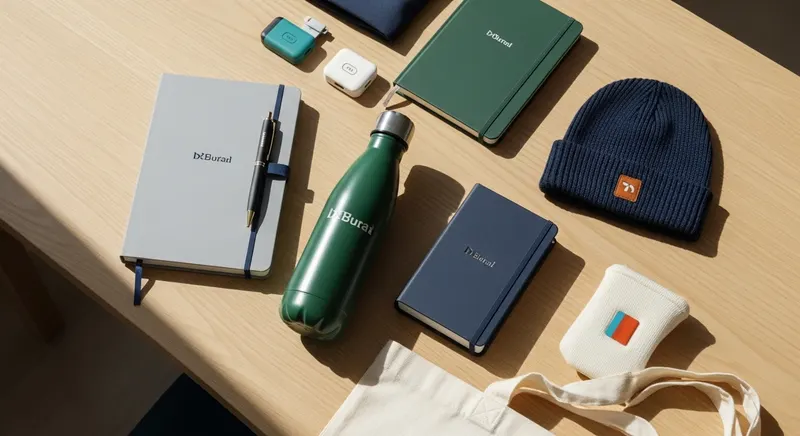
Planning a conference is no small feat. Between locking in the venue, coordinating speakers, managing registrations, and sorting catering, it’s easy to treat merchandise as an afterthought. But here’s the thing — conference merchandise is one of the most tangible, lasting impressions your event will leave on every single delegate who walks through the door. The right branded items can reinforce your message, extend your brand’s reach long after the final keynote, and give attendees something genuinely useful to take home. Get it wrong, and you’re sending branded landfill into the world. This guide walks you through everything you need to know to make smart, strategic decisions about your conference merchandise — from product selection and decoration methods to budgeting, ordering timelines, and avoiding the most common mistakes.
Why Conference Merchandise Matters More Than You Think
Many event organisers underestimate the ROI of well-chosen conference merchandise. When a delegate uses your branded keep cup at their desk every morning, or pulls out your notebook during a meeting, they’re carrying your brand into their daily routine. That kind of passive, repeated exposure is genuinely valuable — and it costs far less than most digital advertising campaigns.
Beyond brand visibility, merchandise contributes directly to the delegate experience. A thoughtfully assembled conference bag signals professionalism and care. It tells attendees that your organisation values their time and has invested in making the event feel polished. This is especially important for conferences in competitive sectors, where first impressions carry significant weight.
For Australian conferences — whether it’s a healthcare summit in Sydney, a technology expo in Melbourne, a real estate conference on the Gold Coast, or a government forum in Canberra — the expectations around delegate packs and branded merchandise have risen considerably. Attendees are savvier than ever, and generic, low-quality items can actually do more harm than good.
Choosing the Right Products for Your Conference Merchandise Pack
The most effective conference merchandise packs are built around practicality, quality, and relevance to your audience. Here’s how to think through your product selection.
Bags and Carry Items
A conference bag is often the centrepiece of the delegate pack, and for good reason — it’s functional, visible, and carries everything else inside it. Tote bags remain a popular choice for their lightweight versatility, but if your event attracts a professional corporate audience, a satchel bag or structured conference bag may be a better fit. For trade expos and multi-day events, consider a wholesale branded bag option that offers better durability and a more premium feel.
When choosing bags, factor in whether delegates are flying in. Lightweight, packable options tend to be appreciated more than bulky alternatives that are awkward to travel with.
Notebooks and Stationery
Branded stationery is a conference staple for good reason — people genuinely use it during sessions. Spiral notebooks are a consistently popular choice, offering a professional look with practical wire-o binding that lies flat for easy note-taking. Pair these with a quality branded pen, and you’ve got a combination that delegates will reach for throughout the event and beyond.
For organisations looking to add variety or reach younger attendees, small pencil cases filled with a curated selection of stationery can be a fun, memorable touch. You might also explore what’s available from local stationery suppliers when sourcing items for smaller regional conferences.
Drinkware
A branded keep cup, water bottle, or travel mug is arguably the most used category of conference merchandise. These items go home with delegates, sit on desks, travel in bags, and generate ongoing brand impressions for months or even years. Drinkware is an area where quality really matters — a well-made insulated bottle from a reputable supplier will be used daily, while a flimsy alternative might be discarded after a few uses.
Tech Accessories
For conferences in tech-forward industries, tech accessories can be a standout addition to the merchandise pack. A solar power bank is a particularly impressive and functional item — especially for multi-day events where keeping devices charged is a genuine concern. USB drives, branded cable organisers, and phone accessories are also strong performers in this category.
Apparel
Branded apparel can work beautifully as conference merchandise, particularly for staff and volunteers. Custom t-shirts and printed apparel help create a cohesive visual identity across your event team, while tech jackets offer a premium option for senior staff or VIP delegates. If your conference has an outdoor component or a more casual dress code, a custom trucker cap can be a crowd-pleasing addition to the delegate pack.
Eco-Friendly Options
Sustainability is increasingly important to Australian conference attendees, particularly in sectors like education, healthcare, and government. Opting for sustainable promotional items — such as recycled material bags, bamboo stationery, or reusable drinkware — reflects well on your organisation and aligns with the values of a growing segment of the population. If your event has an environmental focus, you might also consider something a little different, like recycled plastic sunglasses for beach cleanup events for a outdoor or coastal conference setting.
Decoration Methods: Getting Your Branding Right
How your logo and artwork is applied to conference merchandise is just as important as the product itself. The wrong decoration method can make even a quality item look cheap.
Screen printing is ideal for fabric items like tote bags, t-shirts, and caps where you need bold, vibrant colour at scale. Keep in mind there are screen printing setup costs involved, so this method becomes more cost-effective at higher quantities.
Embroidery gives a premium, textured finish and is well-suited to caps, polo shirts, and bags. It’s particularly popular for corporate and government events where a more polished look is expected.
Laser engraving works brilliantly on metal and bamboo drinkware, creating a sophisticated, permanent mark that doesn’t fade over time.
Pad printing is commonly used for pens, power banks, and small tech accessories where fine detail is required on a non-fabric surface.
Debossing adds a tactile, elegant touch to notebooks and leather goods — ideal for high-end corporate conferences where the delegate experience is a priority.
When briefing your merchandise supplier, always provide vector artwork files and confirm your PMS colour codes upfront. This avoids costly artwork revisions and ensures colour accuracy across all your items.
Budgeting for Conference Merchandise
Budget planning is one of the trickiest parts of managing conference merchandise, particularly for first-time event organisers. Here’s a practical framework to work with.
As a general guide, most Australian conferences allocate between $15 and $60 per delegate for branded merchandise, depending on the event’s prestige and the size of the overall budget. Higher-end corporate events or multi-day conferences at the premium end will typically sit closer to $50–$80 per head.
When building your budget, account for:
- Product unit costs (which decrease significantly at higher quantities — bulk pricing tiers can make a real difference)
- Decoration and setup fees (one-off charges that are amortised across your total order)
- Freight and logistics (particularly if items are coming from interstate or overseas suppliers)
- Contingency (always allow 10–15% for last-minute additions or replacements)
For smaller events or regional conferences — for example, a Sunshine Coast business forum or a Darwin industry workshop — the per-head merchandise budget may be tighter. In that case, prioritise one or two high-quality items over a larger number of cheaper ones.
If you’re organising branded merchandise for local businesses, it’s also worth exploring Sunshine Coast branded merchandise options tailored to regional events.
Ordering Timelines and Minimum Order Quantities
Leaving merchandise to the last minute is one of the most common — and costly — mistakes event planners make. Most custom conference merchandise requires a minimum of 2–4 weeks from artwork approval to delivery, and many products have longer lead times depending on the decoration method and supplier.
As a general guide:
- Simple items like pens, lanyards, and notebooks: 2–3 weeks
- Drinkware with laser engraving or pad printing: 3–4 weeks
- Custom apparel with embroidery or screen printing: 3–5 weeks
- Premium items like tech accessories or custom bags: 4–6 weeks
If you’re in a genuine bind, some suppliers offer expedited services. For example, if you’re based in regional NSW, same-day promotional product printing in Newcastle is available for certain items — though rush orders often come with a premium.
Minimum order quantities (MOQs) vary widely by product. Pens and stickers typically have MOQs as low as 50–100 units, while custom apparel like custom trucker caps may have MOQs of 12–50 units depending on the supplier. Premium items like power banks often require 50–100 units minimum.
Always confirm MOQs early in your planning process, especially if you’re working with a small delegate list.
Practical Tips for a Smooth Merchandise Process
- Request physical samples before committing to a large order — particularly for items where quality, colour, and size are critical
- Approve a proof for every decorated item before production begins — this protects you from errors
- Order 5–10% more than your confirmed delegate count to account for VIP additions and last-minute registrations
- Label or pack merchandise bags in advance if possible — this saves significant time on-site
- Think beyond the standard pack — a sew-on patch or stubby holder can add a fun, memorable element to a social event within your conference program
For apparel specifically, using a quality tees brand as your blank garment base makes a noticeable difference in how printed merchandise looks and wears over time. Similarly, stylish lunch bags can double as a practical merchandise item for conferences where catering is provided.
Conclusion: Key Takeaways for Your Conference Merchandise
Conference merchandise is a powerful tool when approached strategically. The difference between merchandise that gets used and merchandise that ends up in a cupboard comes down to thoughtful product selection, quality decoration, and genuine relevance to your audience.
Here are the key takeaways to guide your planning:
- Start early — aim to have merchandise confirmed at least 6–8 weeks before your event to allow for production, quality checks, and delivery
- Prioritise quality over quantity — one or two genuinely useful, well-made items will outperform a bag full of forgettable giveaways
- Choose decoration methods that suit the product — screen printing for fabric, laser engraving for metal and bamboo, embroidery for premium apparel
- Align your merchandise with your audience’s values — eco-friendly options resonate strongly with Australian professionals in 2026
- Plan your budget carefully — account for setup fees, freight, and a contingency buffer to avoid surprises
With the right approach, your conference merchandise won’t just fill a bag — it’ll strengthen your brand, delight your delegates, and keep your event top of mind long after everyone’s headed home.